Helping little hearts heal through play therapy.

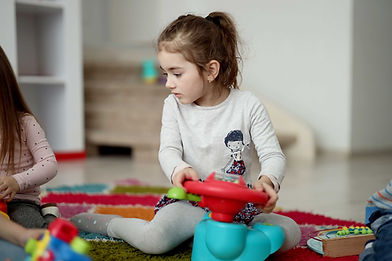
Children don’t always have the words to explain what they’re feeling. While adults often process emotions through conversation, children communicate through play. Their worries, fears, questions, and even their trauma often come out in the way they interact with toys, stories, and imagination.
Play therapy is a specialized, evidence-based counseling approach that uses play as the primary way children express themselves and process experiences. The Association for Play Therapy defines play therapy as a structured model in which trained therapists use play to help children prevent or resolve psychosocial challenges and achieve optimal growth and development.
In simple terms: Play is a child’s language, and toys are their words.
From a faith-centered perspective, we can also view play as part of God’s intentional design. Children are created with imagination, curiosity, and creativity—tools that become pathways for healing when guided in a safe and nurturing environment.
Children are still developing emotionally and cognitively. When they experience anxiety, grief, trauma, family transitions, or behavioral struggles, they may not fully understand what they’re feeling—let alone know how to explain it.
Play therapy allows children to:
Express feelings safely
Act out experiences symbolically
Explore fears and conflicts
Develop problem-solving skills
Practice emotional regulation
Through activities such as drawing, sand tray play, storytelling, role-play, and creative expression, children reveal themes and emotions that might otherwise remain hidden.
A trained therapist gently observes, reflects, and guides when appropriate, helping the child make sense of their internal world.
“The Lord is close to the brokenhearted.” Psalm 34:18
In play therapy, children experience a tangible reflection of that closeness: they are seen, heard, and cared for in their vulnerability.
The Benefits of Play Therapy
Emotional Benefits
Reduces anxiety and emotional distress
Increases emotional awareness
Strengthens coping skills
Supports trauma recovery
Builds confidence and resilience
Behavioral Benefits
Improves self-control
Reduces aggression or outbursts
Encourages responsibility
Strengthens decision-making skills
Relational Benefits
Improves communication
Strengthens attachment with caregivers
Builds trust and safety in relationships
Helps children feel understood
When children experience safe, consistent support, they begin to internalize that security. Over time, this leads to healthier relationships—with others and with themselves.
What Issues Can Play Therapy Address?
Play therapy can help children navigating:
Anxiety
Depression
Trauma or abuse
Grief and loss
Divorce or blended family transitions
Behavioral challenges
School or social difficulties
Major life changes
It is particularly effective for children ages 3–12, though older children can also benefit from expressive and creative therapeutic approaches.
What Happens in a Play Therapy Session?
A play therapy session takes place in a carefully designed playroom filled with selected toys that encourage emotional expression—figures, art materials, sand trays, dolls, games, and more.
The therapist provides:
A safe and structured environment
Consistent emotional attunement
Compassionate, nonjudgmental presence
Gentle guidance when appropriate
In many faith-centered practices, prayer can be incorporated when appropriate and with parental consent. However, services remain welcoming to families of all faith backgrounds. The goal is always to honor the child’s story and meet them with grace.
As Jesus welcomed children in Matthew 19:14, saying, “Let the little children come to me,” we are reminded that children matter deeply. Their hearts, struggles, and questions are worthy of attention and care.
Why Early Intervention Matters
Children often express distress through behavior long before they can verbalize it. Early support can prevent emotional wounds from becoming long-term struggles.
When a child feels safe enough to play freely in therapy, they are doing deep, meaningful work—even if it looks simple on the surface.
Healing doesn’t always happen through long conversations. Sometimes, it happens through a sand tray, a dollhouse, or a story told with figurines.
Final Thoughts
Play therapy honors how God uniquely designed children to communicate and process the world. It provides a compassionate space where children can work through pain, build resilience, and experience restoration.
When children are met with empathy, consistency, and grace, they begin to flourish.
And sometimes, the most powerful healing begins with something as simple—and as sacred—as play.
You Don’t Have to Navigate This Alone
If your child is struggling with anxiety, behavioral challenges, emotional distress, or life transitions, support is available. Play therapy can help your child express their feelings, build confidence, and experience healing in a safe and nurturing environment.
At Doule Counseling, we are committed to providing compassionate, faith-centered care that honors each child’s unique story and God-given design.
If you would like to learn more or schedule a consultation, we invite you to reach out today. A consultation is an opportunity to discuss your concerns, ask questions, and explore how play therapy can support your child’s emotional and spiritual well-being.
Healing and growth are possible—and it would be our honor to walk alongside your family in that journey.


Comments